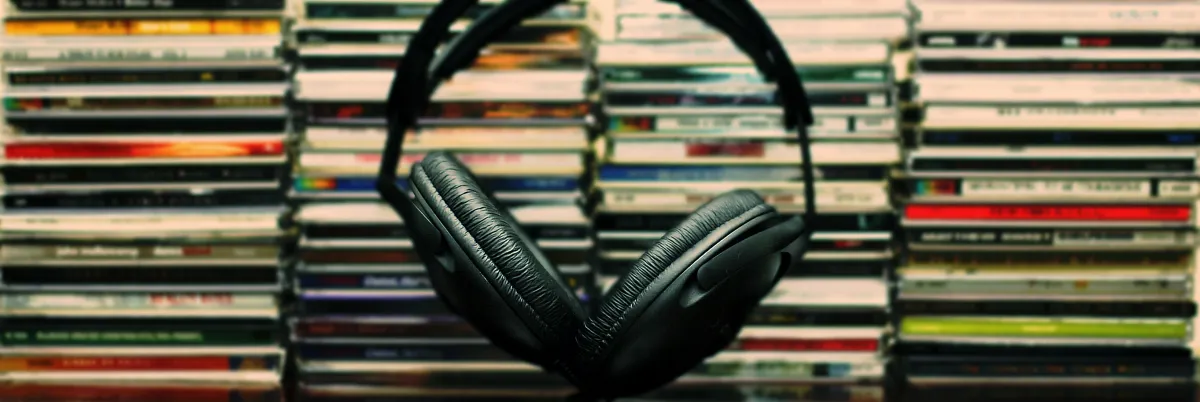
The buyers are mostly Gen Z, and physical media overall is now a $731.5 million half-year category.
CDs did not quietly return. They jumped. The RIAA’s latest report puts CD revenue at $171.1 million for the first half of 2026, up 58.6% year over year, on 17.5 million units sold. A year earlier the same format was shrinking. Nothing about the streaming era explains this.
Compare it to last year and the reversal is stark. Full-year 2025 CD revenue fell 7.8%, from $338.9 million to $312.4 million. Units dropped 11.6%, from 33.3 million discs to 29.5 million. The decline was orderly and expected. The rebound was not. It landed inside six months.
One caveat is worth knowing. The RIAA changed its method in 2025, moving from estimated retail value to wholesale value, so revenue across that line is not directly comparable. Unit counts are unaffected. They tell the same story: falling through 2025, climbing hard in 2026.
The demand is coming from Gen Z, and it is not nostalgia. Most of these buyers never used a CD player. What they want is a device that stays put until they pick it up. No notifications. No feed. No algorithm deciding what plays next.
CDs sit inside a wider shift. Dumbphones, digital cameras, typewriters and landlines are all moving again, and startups have moved with them:
- Landlines: Tin Can, Ooma and Pinwheel are building new ones.
- Non-smartphones: Light, Dumb Co and Minimal sell deliberately limited devices.
- Launching soon: Clicks, a BlackBerry-style phone with a physical keyboard.
- Secondhand: eBay and Retrospekt move vintage gear nobody counts.
This is not one product having a moment. It is a whole shelf reorganizing.
RIAA counts new sales only. Thrift-bin discs, garage sale finds, and the stacks Gen X parents handed down appear nowhere in that $171.1 million. Vinyl revenue rose 17.7% over the same period, and physical media overall grew 25.9% to $731.5 million. If you are sizing this market, the reported figure is a floor.
The interesting question is which brands build for this audience before the shelf space is spoken for.
If your buyers skew under 30, stop filing physical goods under nostalgia marketing for older customers. Demand is coming from people who never owned the original. That should change one decision specifically: whether your next release, drop, or campaign includes something a customer can hold, keep, and show someone. Digital-only is now a choice, not a default.