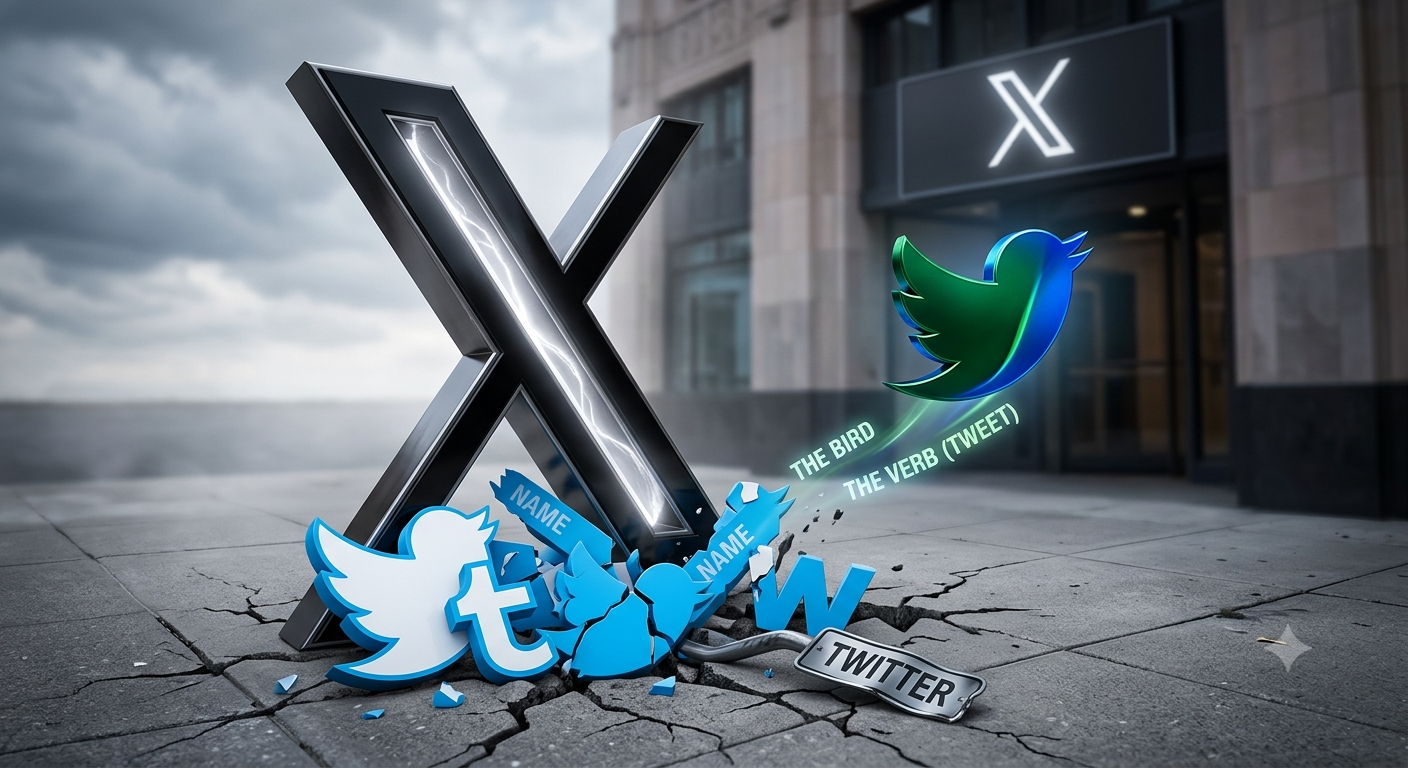
The startup betting on an abandoned trademark won the bird and lost the brand.
A startup spent months arguing that Elon Musk gave up the Twitter name when he rebranded the platform to X. On September 3, a judge said no. X Corp. keeps Twitter. It does not keep the word “tweet” or the bird logo. Within days, the startup had a new name.
Operation Bluebird, run by trademark lawyer Stephen Coates, filed to claim the Twitter mark last year. The argument: Musk walked away from it in 2022 when Twitter became X, so the name was up for grabs. X Corp. sued to stop the claim, telling the court that Twitter never left and remains exclusively its property. In April, the judge tentatively signalled that X may have surrendered the bird logo, the word “tweet,” and possibly the name itself. That tentative reading held on two of three counts. The name stayed with X. The startup rebranded to Tweet.App, keeping the piece of the ruling that went its way.
Coates announced the new site, Twitter.now, in a LinkedIn post. By Thursday morning it was unreachable for some users. Operation Bluebird did not respond to a request for comment from Yahoo Tech. Before the outage, the pitch was already asking for money:
- Founder access: $20 buys early entry to the platform.
- Fighter tier: $40 or more adds a profile badge.
- Handle claims: Twitter.new opened late last year for reserving usernames.
- Product promise: trust signals and user-controlled feeds instead of an opaque algorithm.
Coates has been clear that this is not a reconstruction of old Twitter. He describes a different service, built around context signals and letting users, not ranking systems, decide how much credibility and noise reaches them. The company has also insisted throughout that it has no tie to X Corp., Musk, or the former Twitter Inc. That product still exists. It just cannot use the Twitter name to sell it. Tweet.App is a weaker asset than Twitter.now. It is also a legal one. The verb survived. The noun did not. None of that changes the reach problem. A social product that charges at the door and drops offline in launch week is competing against a network that already has everyone.
If your brand strategy depends on a competitor’s lapsed paperwork, you do not have a brand strategy. Operation Bluebird built pricing tiers, domains, and a launch on a legal theory that only half held. The practical move for any operator: audit which of your own marks are actually in use and defended, before someone reads your rebrand as abandonment.
The bird and the verb are loose now, so the question is who builds something worth attaching them to.