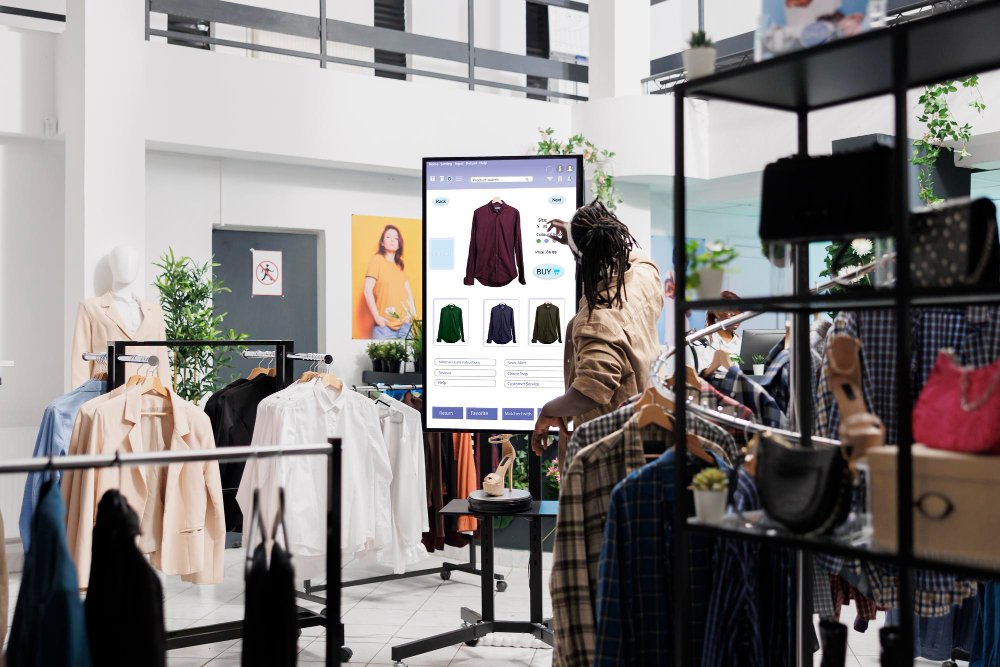
Retail Media Networks (RMNs) are rapidly emerging as one of the fastest-growing segments of digital advertising, providing brands with new opportunities to reach consumers at the point of purchase. Major retailers are expanding their advertising platforms, allowing businesses to promote products across e-commerce websites, mobile apps, and in-store digital displays using first-party customer data.
Unlike traditional digital advertising, retail media enables brands to target consumers based on actual shopping behavior, purchase history, and product interests. This highly relevant targeting improves campaign effectiveness while providing advertisers with measurable insights into customer engagement and sales performance.
Artificial intelligence is enhancing retail media platforms by optimizing audience segmentation, automating campaign management, and recommending personalized advertisements in real time. AI-powered analytics help marketers allocate budgets more efficiently while improving return on advertising investment.
Brands are increasingly integrating retail media campaigns with broader omnichannel marketing strategies that include email marketing, social media, loyalty programs, and mobile applications. This coordinated approach creates more consistent customer experiences while strengthening brand visibility across multiple touchpoints.
Retailers also benefit from expanding advertising revenue while providing suppliers with valuable consumer insights. As competition intensifies within the digital commerce sector, retail media networks are becoming an important source of business growth beyond traditional product sales.
Industry analysts expect retail media spending to continue increasing throughout 2026 as brands prioritize privacy-friendly advertising channels built on first-party customer data. Organizations investing in retail media strategies are likely to improve campaign performance, strengthen customer engagement, and achieve more measurable marketing outcomes.