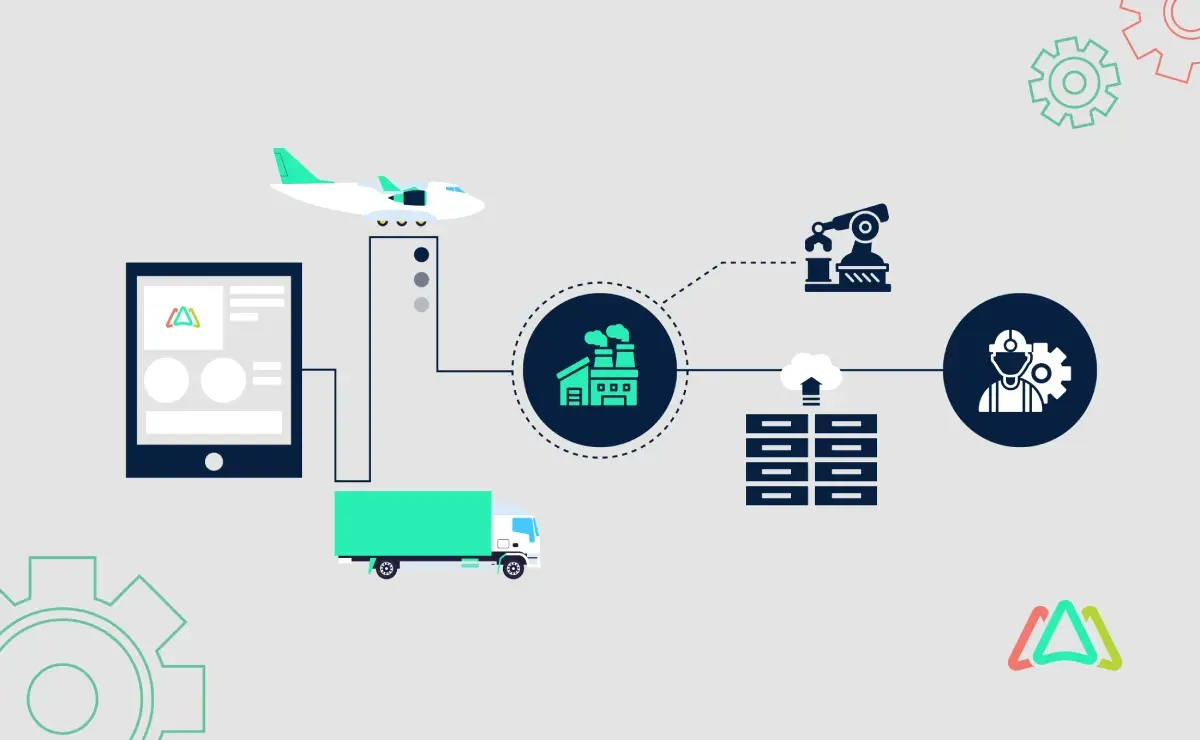
The high-tech industry operates at breakneck speed, where product lifecycles measure in months rather than years and customer expectations evolve overnight. Supply chains that once provided competitive advantages now struggle to keep pace with unprecedented complexity—semiconductor shortages, geopolitical tensions, sustainability mandates, and demand volatility create a perfect storm requiring fundamental transformation.
1. Intelligent Automation and AI-Driven Decision Making
Artificial intelligence has evolved from experimental technology to operational necessity. Modern supply chains leverage AI for demand forecasting with unprecedented accuracy, predicting market shifts weeks before they materialize. Machine learning algorithms optimize inventory allocation across global distribution networks, balancing cost efficiency with service levels dynamically. Autonomous systems handle routine decisions—reorder points, shipping methods, supplier selection—freeing human strategists to focus on complex scenarios requiring judgment and creativity.
Predictive analytics identify potential disruptions before they cascade through operations. When a supplier faces production delays or natural disasters threaten logistics hubs, AI-powered systems automatically trigger contingency protocols, rerouting shipments and alerting stakeholders instantaneously.
2. Radical Supply Chain Visibility
Real-time transparency has become non-negotiable. IoT sensors track components from manufacturing floors through final delivery, providing granular location data, condition monitoring, and chain-of-custody verification. Blockchain technology creates immutable records ensuring authenticity and compliance across complex, multi-tier supplier networks.
This visibility extends beyond physical tracking. Digital twins simulate entire supply chain ecosystems, enabling scenario planning and risk assessment that would be impossible through traditional methods. Organizations stress-test strategies virtually before committing resources.
3. Sustainable and Circular Supply Chain Models
Environmental responsibility has shifted from optional initiative to business imperative. High-tech companies redesign supply chains around circularity—maximizing product longevity, enabling repair and refurbishment, and recovering materials efficiently. Carbon footprint tracking influences every decision from supplier selection to transportation modes.
These trends aren’t isolated initiatives—they’re interconnected transformations redefining what supply chain excellence means in the high-tech sector, creating resilience, agility, and responsibility simultaneously.