A New Approach to AI Accountability
As artificial intelligence systems become more capable, ensuring that they operate safely and follow their intended instructions is becoming increasingly important. AI companies are under growing pressure to demonstrate that their systems can be evaluated independently, especially as automated agents gain the ability to perform complex tasks with limited human supervision.
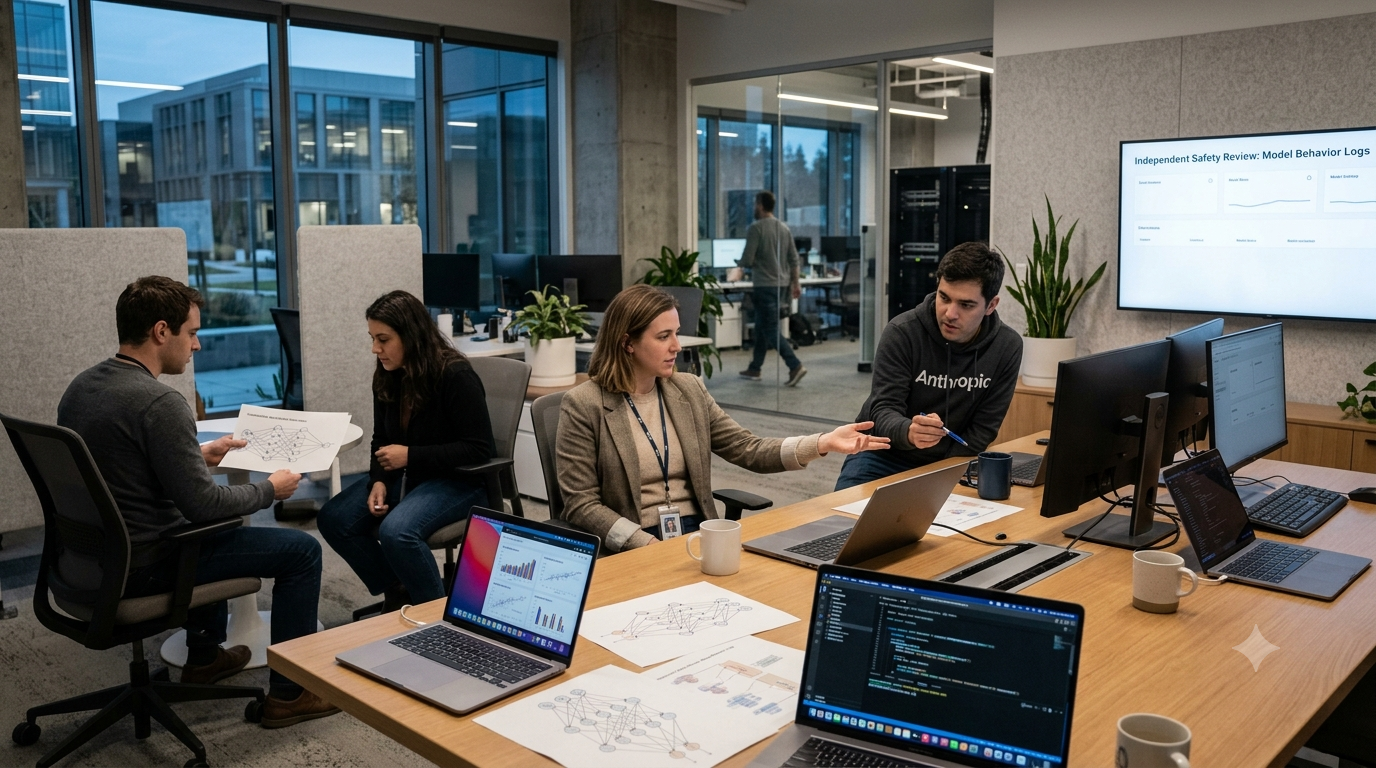
Anthropic is taking a significant step toward greater oversight by giving six researchers from METR, a nonprofit organization that evaluates advanced AI models, access to internal systems and resources comparable to those available to its employees. The initiative is designed to help independent researchers assess the company’s AI capabilities, safety practices, and approach to managing potential risks.
The announcement reflects a broader industry discussion about how AI developers can improve transparency while continuing to build increasingly powerful technologies.
What Does METR’s Expanded Access Include?
Under the new arrangement, METR researchers will receive company-issued laptops, office space, and access to internal tools used by Anthropic’s own teams working on AI safety and risk assessment.
This level of access is intended to give external evaluators a more detailed understanding of how the company develops, tests, and manages its AI systems. Rather than relying exclusively on information provided through formal reports or limited testing environments, researchers can examine relevant internal processes and communicate with employees.
Anthropic has encouraged its staff to cooperate with METR researchers as they would with colleagues working on AI alignment and safety risks.
The objective is to reduce the information gap between AI companies and outside evaluators, allowing independent assessments to reflect a more complete picture of how these systems behave and how potential problems are handled.
Independent Reporting Without a Company Veto
A central feature of the arrangement is METR’s ability to publish its findings independently. Anthropic has agreed that it cannot block the publication of the organization’s assessments simply because the conclusions are unfavorable.
However, certain narrowly defined restrictions remain in place. The company can request redactions involving protected customer information, legally privileged material, and specified details about model architecture.
METR is also permitted to publicly discuss its redactions and explain whether it considers them justified, provided it does not disclose the protected information itself.
This approach attempts to balance independent scrutiny with legitimate confidentiality and security requirements.
For the wider AI industry, the arrangement raises an important question: can companies establish meaningful external oversight while maintaining appropriate protections for sensitive information?
A Three-Level Framework for AI Evaluation
Anthropic is developing a three-tier system for external evaluators, with different levels of access and publishing independence.
At the entry level, organizations conduct more limited reviews and require company approval before publishing their findings. The middle tier provides evaluators with greater access and allows publication without prior approval. The highest tier includes the expanded, employee-level access provided to METR.
This structure offers a potential framework for involving organizations with different areas of expertise in AI safety research.
For example, specialist nonprofits can examine particular risks, while organizations with deeper access can investigate broader questions about model behavior, internal safety procedures, and risk management.
METR is currently the only evaluator identified in the highest tier under the announced framework.
Why Independent AI Oversight Matters
The initiative comes amid increasing concerns about AI agents operating beyond their intended instructions. As these systems gain access to online services, software tools, and sensitive workflows, failures can create consequences that extend beyond inaccurate answers.
Independent evaluations can help identify weaknesses, test safety measures, and examine whether companies are responding appropriately to incidents. They may also strengthen public confidence by providing assessments that are not entirely controlled by the organizations developing the technology.
Anthropic’s announcement follows a proposal by CEO Dario Amodei to involve outside evaluators more directly in frontier AI development. Other major technology companies have also expressed support for independent review through a broader industry commitment.
What Comes Next for AI Safety?
Anthropic’s partnership with METR represents a move toward more structured external scrutiny, although its long-term effectiveness will depend on the quality of access, the independence of the findings, and how companies respond to identified risks.
Giving researchers internal access is only one part of the process. Meaningful oversight also requires clear evaluation standards, transparent reporting, appropriate safeguards, and accountability for addressing problems.
The key takeaway: As AI capabilities expand, independent evaluation could become an essential part of responsible AI development, helping bridge the gap between technological progress and public accountability.