As a parcel moves from point to point throughout the supply chain, it generates a vast amount of data. And that’s just one parcel.
Your supply chain is generating so much data that traditional computing might not be able to keep pace. You need access to the best information possible to make near-real-time decisions to weather disruptions.
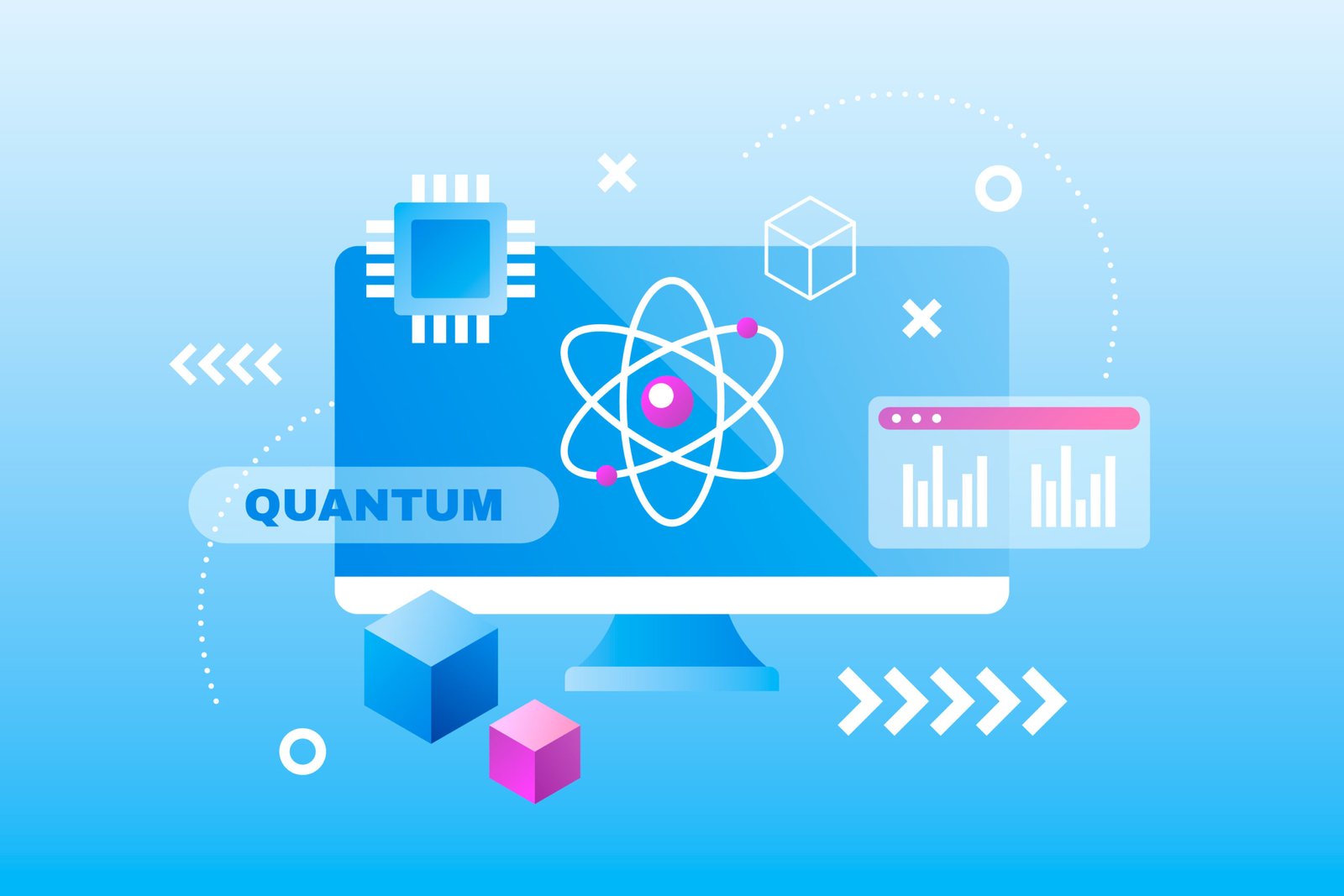
With quantum computing and other emerging technologies making the jump from theory to real-world application, logistics organizations can now fully harness the power of their data. Together, these technologies and your data can help you outpace your competition, trim costs and boost customer satisfaction.
We collaborated with Avasant to unravel the complexities of quantum and high-performance computing and edge technology.
The Data Tsunami Challenge
Modern supply chains generate billions of data points daily—GPS coordinates, temperature readings, handling events, customs clearances, delivery confirmations. Multiply this across millions of parcels moving simultaneously through global networks, and the computational demands become staggering. Traditional systems struggle to process this volume fast enough to enable truly intelligent decision-making.
Quantum’s Computational Leap
Quantum computing doesn’t just process faster—it solves problems fundamentally differently. Route optimization that would take classical computers days to calculate happens in minutes. Quantum algorithms analyze countless variables simultaneously, identifying the most efficient paths through complex networks while accounting for weather patterns, traffic conditions, capacity constraints, and customer priorities in real-time.
Edge Technology’s Immediate Impact
While quantum computing tackles massive optimization problems, edge technology processes data at the source. Smart sensors on trucks, warehouses, and sorting facilities make instant decisions without waiting for cloud processing. This distributed intelligence enables immediate responses to temperature excursions, potential delays, or security threats.
Tangible Business Outcomes
Early adopters are already seeing remarkable results: 25% reduction in delivery times through superior route optimization, 40% decrease in fuel costs via intelligent load balancing, and 99.9% on-time performance through predictive disruption management. These aren’t theoretical benefits—they’re operational realities transforming logistics economics.
The convergence of quantum computing, high-performance systems, and edge technology represents more than incremental improvement. It’s a paradigm shift that separates industry leaders from those left managing yesterday’s supply chains with tomorrow’s customer expectations.